“There are densely populated cities where were a pin to drop from the sky, it would land on the head of a person, never falling to the ground. ”
— – Gaspar de Carvajal (1541) – Describing large, organized settlements along riverbanks in the Amazon.
In December 2023, two boys dressed as the 1880s Ozark vigilantes known as the Baldknobbers to take a final ride on Fire in the Hole, a beloved Silver Dollar City roller coaster that dramatized the Baldknobbers’ chaotic quest for frontier justice. The ride’s closure marked the end of an era, but in 2024 the park unveiled a revamped version to widespread excitement.
Since its 1960 founding, Silver Dollar City has combined entertainment and education, using attractions like Fire in the Hole to celebrate and reinterpret Ozark history and culture. More than just a theme park, it functions as a site of heritage tourism—transforming regional history into an immersive, consumable experience that shapes public memory and identity.
Creating a Cultural Historical Archetype
The Marvelous Marvel Cave to Silver Dollar City
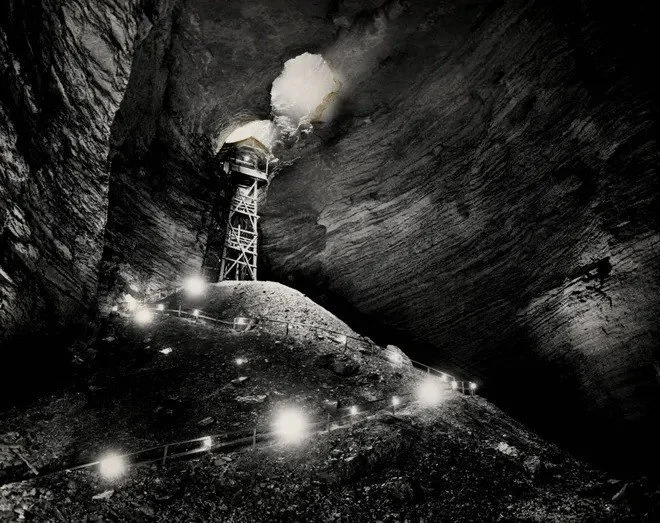
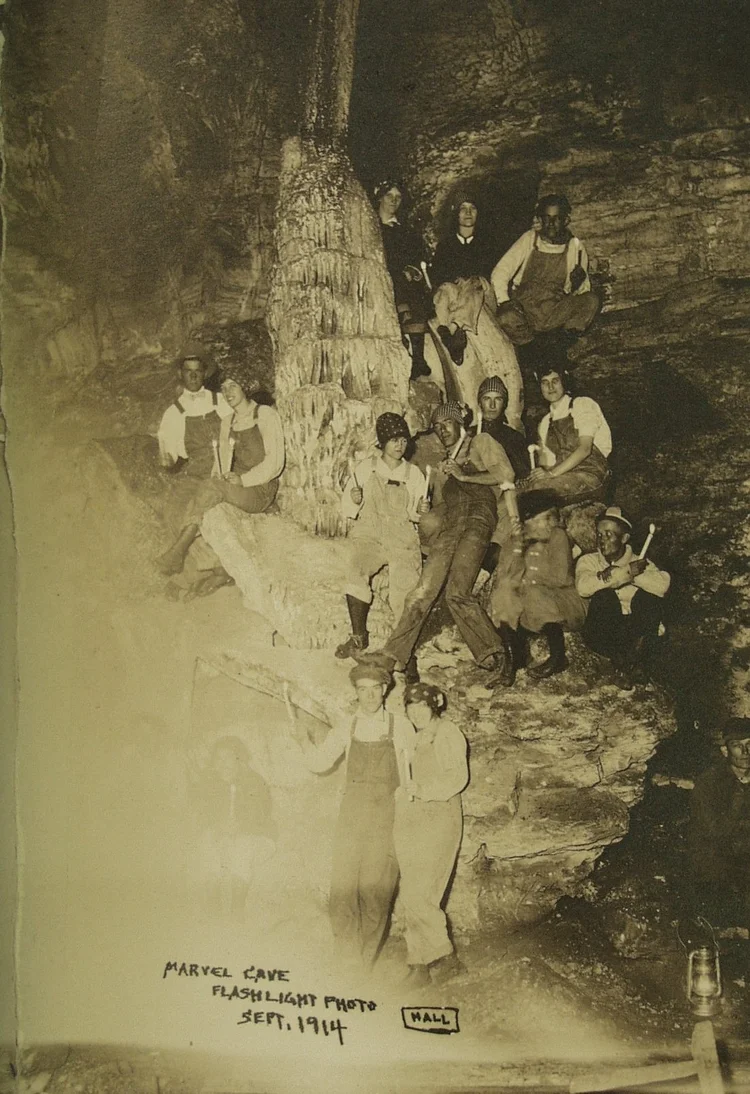
Marvel Cave, near Branson, Missouri, was the original attraction that inspired the creation of Silver Dollar City. First mined in the late 1800s for limestone and bat guano, the cave supported a short-lived mining town called Marmaros until a fire destroyed it in 1894. In 1898, Canadian businessman William Henry Lynch purchased the property and transformed the cave into a tourist site, offering guided tours with his daughters. When Chicago couple Hugo and Mary Herschend visited in 1946, they were captivated by the cave and later leased it from the Lynch family. By the early 1950s, the Herschends had modernized the attraction with lighting, restrooms, and improved access, drawing thousands of visitors and hosting events inside the cave’s vast chambers.
Marvel Cave Cathedral Room. (photo courtesy of Silver Dollar City)
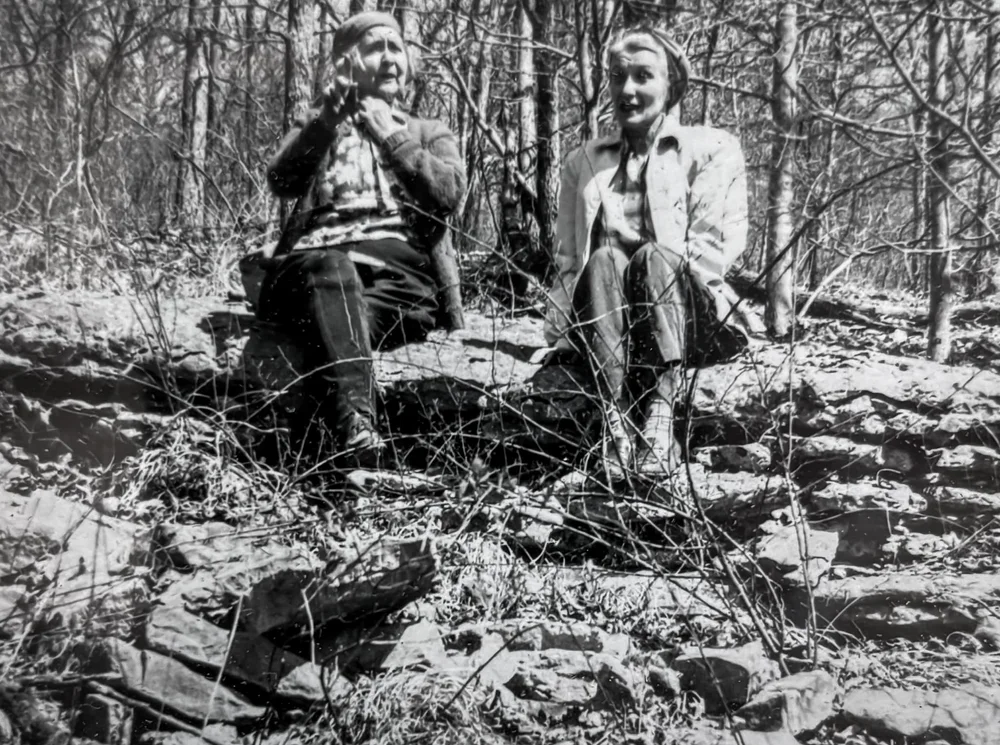
Genevieve Lynch (left) and Mary Herschend (right) having a conversation near the entrance of Marvel Cave.
Exploring Marvel Cave by Candlelight ca 1914 (photo courtesy of Silver Dollar City)
Building on that success, the Herschends developed an 1880s-themed Ozark town at the cave’s entrance, opening Silver Dollar City in 1960. The park featured rustic architecture, live performances, and a clever marketing gimmick of giving change in silver dollars. Its most distinctive feature, however, was the inclusion of local craftspeople who demonstrated traditional arts such as blacksmithing, pottery, and quilting. This focus on authentic regional culture set Silver Dollar City apart from other amusement parks, transforming it into both a major tourist destination and a living showcase of Ozark heritage that continues to celebrate the region’s history and identity.
The Beverly Hillbillies: Ozark Culture meets Hollywood
By the late 1960s, Silver Dollar City’s growing popularity caught national attention, culminating in its appearance on the hit television show The Beverly Hillbillies during the 1969–70 season. The series, one of the most-watched in American history, centered on a rural Ozark family who struck oil and moved to Beverly Hills, contrasting “hillbilly” simplicity with Hollywood excess. Show creator Paul Henning, a Missouri native with deep ties to the Ozarks and to Silver Dollar City through the National Crafts Foundation, drew heavily on the region’s culture and character in shaping the show’s identity.
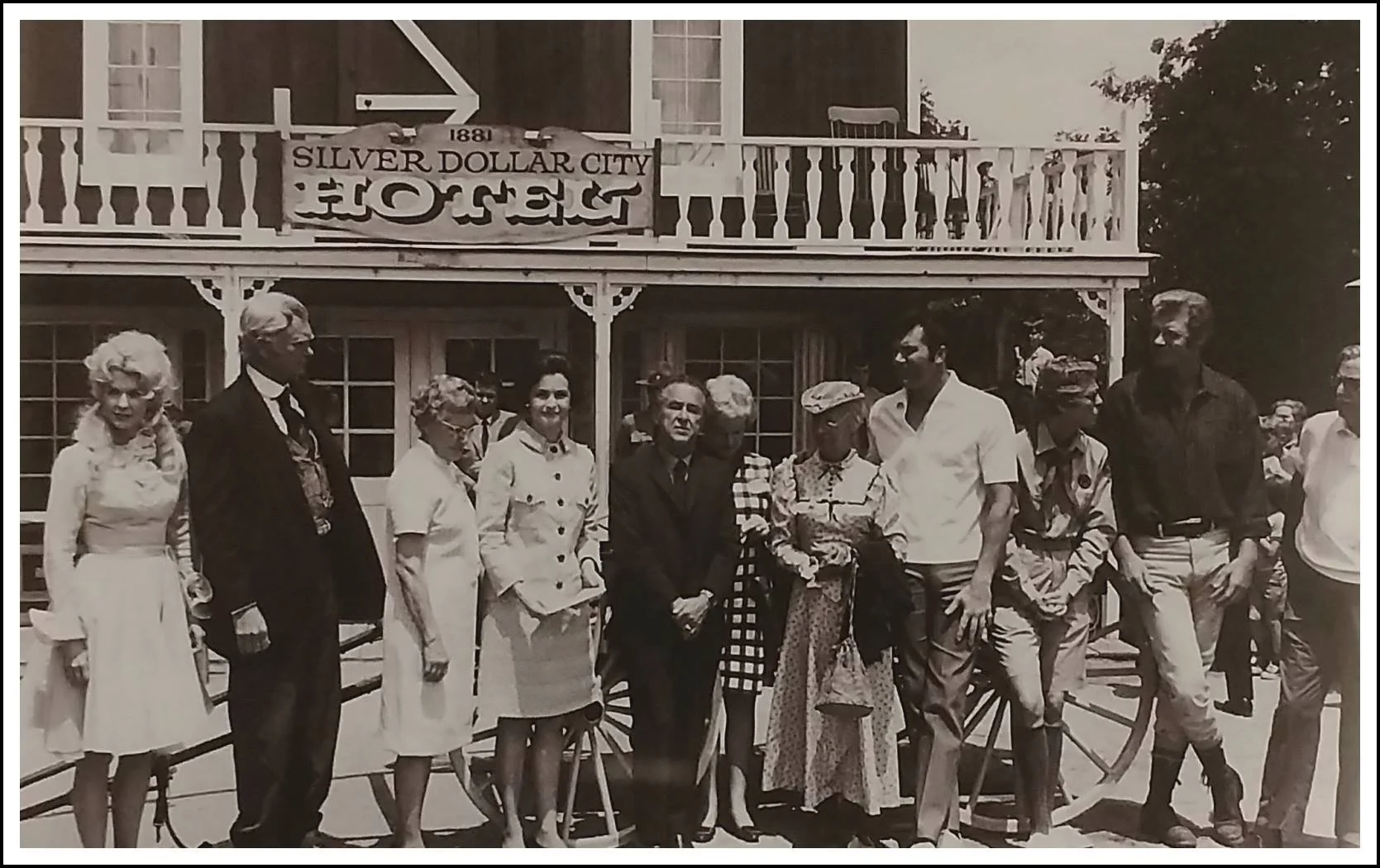
When The Beverly Hillbillies filmed five episodes on location at Silver Dollar City, the park’s rustic charm and authenticity became integral to the story. Park visitors even appeared as extras alongside the cast. The collaboration proved mutually beneficial: Silver Dollar City helped bring Ozark culture to mainstream audiences, while the show’s immense popularity drove national attention and tourism to the park. Following the broadcast, attendance surged by 16%, solidifying Silver Dollar City’s place as both a cultural landmark and a symbol of Ozark heritage.
Beverly Hillbillies at Silver Dollar City (photo courtesy of Silver Dollar City)
The Baldknobbers: Ozark vigilantes to fan favorite
The Baldknobbers were a vigilante group that emerged in the Ozarks Mountains during the 1880s, formed in response to widespread lawlessness and social unrest in the region. These men took it upon themselves to enforce what they considered moral and honorable behavior, often using extreme methods to achieve their goals. Theft, arson, extortion, and even executions were among the tactics employed, reflecting the rough and often violent conditions of frontier life. The Baldknobbers were polarizing figures, admired by some for attempting to restore order, but feared and despised by others for their brutality.
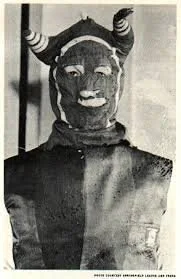
Only surviving Baldknobber mask (Courtesy of Springfield News Leader as found in Morris (1939)
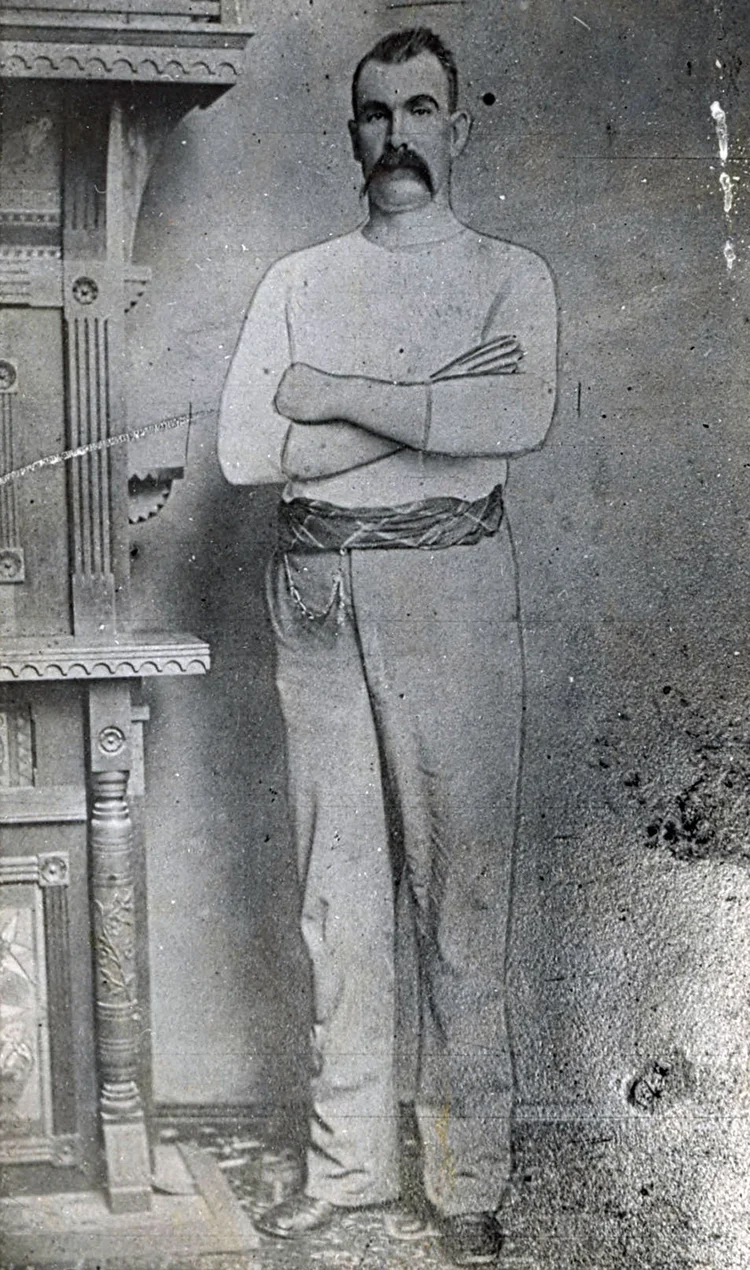
Founder of the Bladknobbers, Nathaniel N. Kinney. (photo courtesy of State Historical Society of Missouri)
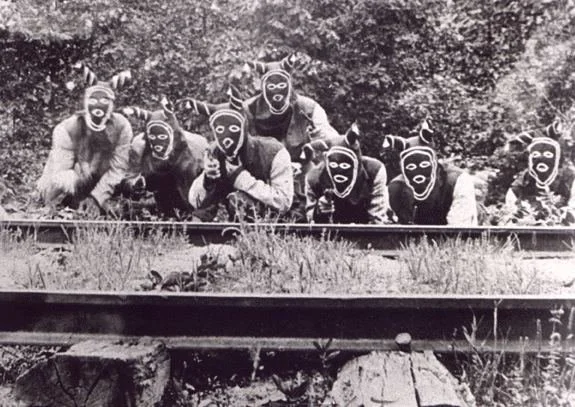
The group’s distinctive appearance—black cloth hoods with white painted eye slits and striped horns—added to their notoriety and terrorized local communities. Their image became iconic in Ozark folklore, representing both the dangers and the self-reliant spirit of frontier justice. While their actions were rooted in real social tensions of the late 19th century, over time, the Baldknobbers’ story was romanticized in local memory and culture, blending fact with legend.
Despite their violent reputation, the Baldknobbers have endured as a symbol of the region’s historical identity. Stories, reenactments, and cultural references have kept their memory alive, emphasizing the tension between justice, morality, and personal power in the early Ozarks. They remain an enduring example of how communities have historically grappled with law, order, and regional identity in a period of rapid social change.
The legacy of the Baldknobbers also reflects the ways folklore can transform historical actors into cultural icons. While the historical record notes their controversial and often brutal actions, their image has been reinterpreted in modern media and entertainment, highlighting the ways the Ozark community remembers, celebrates, and even commodifies its past. Their story continues to captivate both locals and visitors, demonstrating the lasting power of regional legend.
A portrayal of the Baldknobbers, in the lost 1919 film adaptation of “The Shepherd of the Hills”.
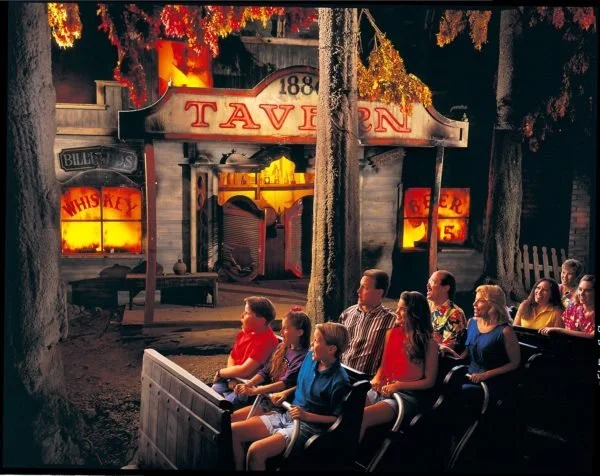
The original Fire in the Hole, (photo courtesy of Silver Dollar City)
Fire in the Hole!!!!
Fire in the Hole, which debuted at Silver Dollar City in 1972, is a roller coaster that dramatizes the legend of the Baldknobbers. The ride’s storyline transports visitors to a chaotic Ozark town threatened by these infamous vigilantes, blending thrills with historical folklore. Riders encounter scenes of the Baldknobbers’ infamous lawless behavior—romanticized and exaggerated for entertainment—while the coaster combines storytelling, special effects, and the excitement of the ride itself to immerse guests in the 19th-century Ozarks.
Over its decades-long run, Fire in the Hole became one of Silver Dollar City’s most popular attractions, serving as both an amusement ride and a cultural touchstone. When the original coaster closed in December 2023, thousands gathered to bid it farewell, reflecting its iconic status. In spring 2024, the park opened a revamped version, ensuring that the story of the Baldknobbers continues to thrill visitors and remain a central element of the park’s celebration of Ozark history and folklore.
see the Fire in the Hole rollercoaster ride-through here
Silver Dollar City has played a key role in shaping and popularizing an idealized version of Ozark culture and history. The park’s artisan community and attractions, such as Fire in the Hole, brought local traditions and historical events (including the town of Marmaros and the Baldknobbers) into the public eye. Media exposure, including The Beverly Hillbillies, created a feedback loop where Silver Dollar City influenced popular representations of the Ozarks, and those representations in turn drew attention back to the park. Today, the park’s storytelling and cultural preservation have made it a central part of the Ozarks’ collective memory, inspiring both historical interest and creative engagement among visitors
Digging into Theory: Collective Memory Explained
Cultural memory is a central concept in understanding how societies remember, preserve, and transmit collective experiences across generations. Various theorists have explored this phenomenon from different angles, examining the social, symbolic, and performative ways in which memory shapes identity, tradition, and heritage.
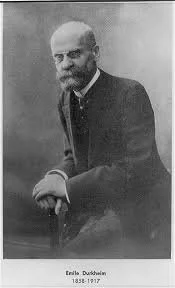
Émile Durkheim
Émile Durkheim: Durkheim emphasized that collective memory is rooted in the shared practices, rituals, and beliefs of a society, which reinforce social cohesion and collective identity.
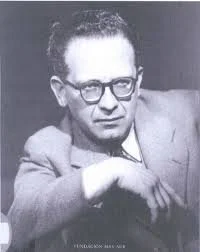
Maurice Halwachs
Maurice Halbwachs: Halbwachs argued that memory is inherently social, shaped by the frameworks and contexts provided by groups, meaning individuals remember within the bounds of collective experience.
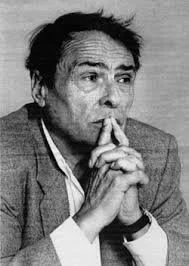
Pierre Bourdieu
Pierre Bourdieu: Bourdieu highlighted how memory and cultural practices are linked to power and social structures, emphasizing the role of habitus and symbolic capital in maintaining social hierarchies.
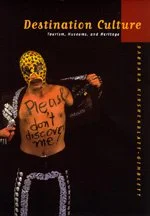
Barbara Kirshblatt-Gimblett’s important work, “Destination Culture”
Barbara Kirshenblatt-Gimblett: She explored how cultural heritage is curated, performed, and consumed, showing how memory can be transformed into tangible experiences that shape public understanding and identity.
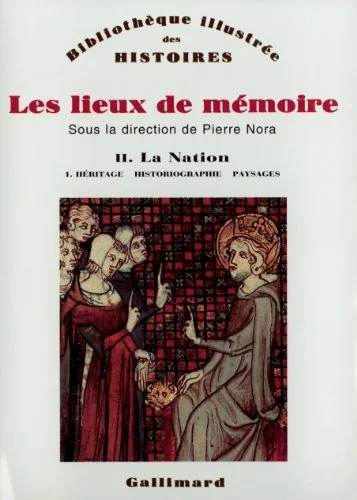
Pierre Nora’s seminal work
Pierre Nora: Nora focused on “lieux de mémoire” or sites of memory, physical or symbolic spaces where collective memory is anchored and preserved in the face of societal change.
Historical examples show that cultural memory is not always an accurate reflection of the past, but can be rewritten, reshaped, or exaggerated over time. During World War II, elements of the samurai Bushido code were invoked and twisted to serve modern militaristic purposes, calling upon a selectively remembered past to justify contemporary actions and instill a sense of collective honor and duty. Similarly, the narratives of organized crime portrayed in The Godfather, though at times fictionalized for the novel and film, became embedded in Italian American identity as some communities and individuals imitated or referenced the behaviors depicted. In effect, this shifted elements of a famous dramatized fiction into a perceived historical reality and part of “remembered” ethnic heritage. These examples demonstrate how cultural memory can evolve: exaggerations, inventions, or reinterpretations are absorbed into collective understanding, eventually perceived as authentic parts of heritage, even when their origins are distorted or newly fabricated.
Silver Dollar City: A celebration and creator of cultural memory
Silver Dollar City functions as more than an amusement park; it is a living lieux de mémoire where the Ozarks’ past is continually produced, performed, and consumed. Through attractions like Fire in the Hole, the park transforms historical figures such as the Baldknobbers into family-friendly, often romanticized icons, blending fact, folklore, and entertainment. Visitors encounter an idealized version of Ozark history through immersive experiences, from handcrafted architecture and artisan demonstrations to live performances and themed rides, allowing memory to become tangible and participatory. In this way, Silver Dollar City preserves, celebrates, and reshapes regional identity while embedding itself into collective memory.
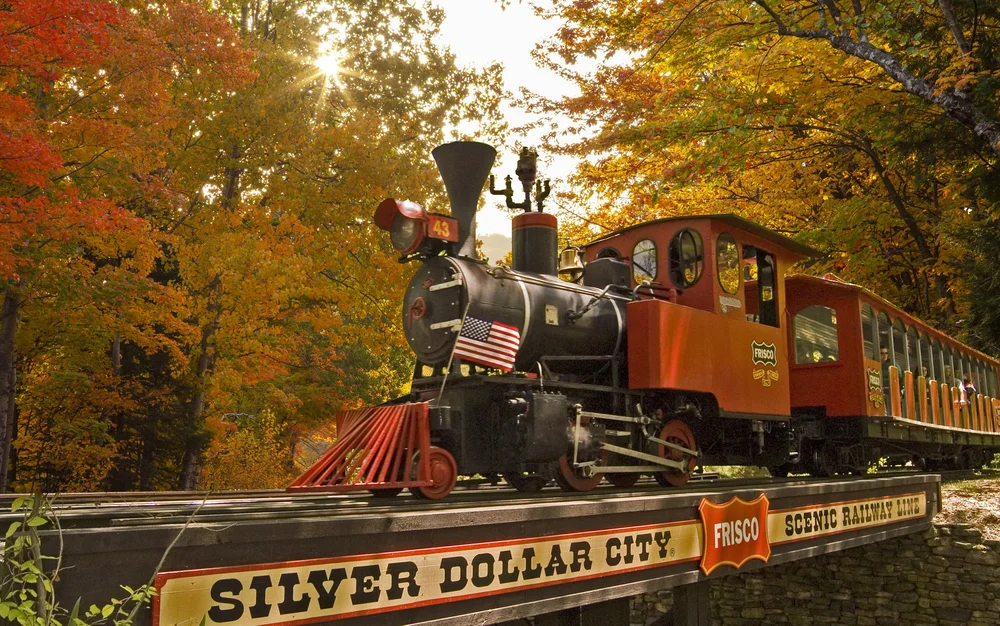
Silver Dollar City’s train touring the park during the Fall Festival (photo courtesy of Silver Dollar City)
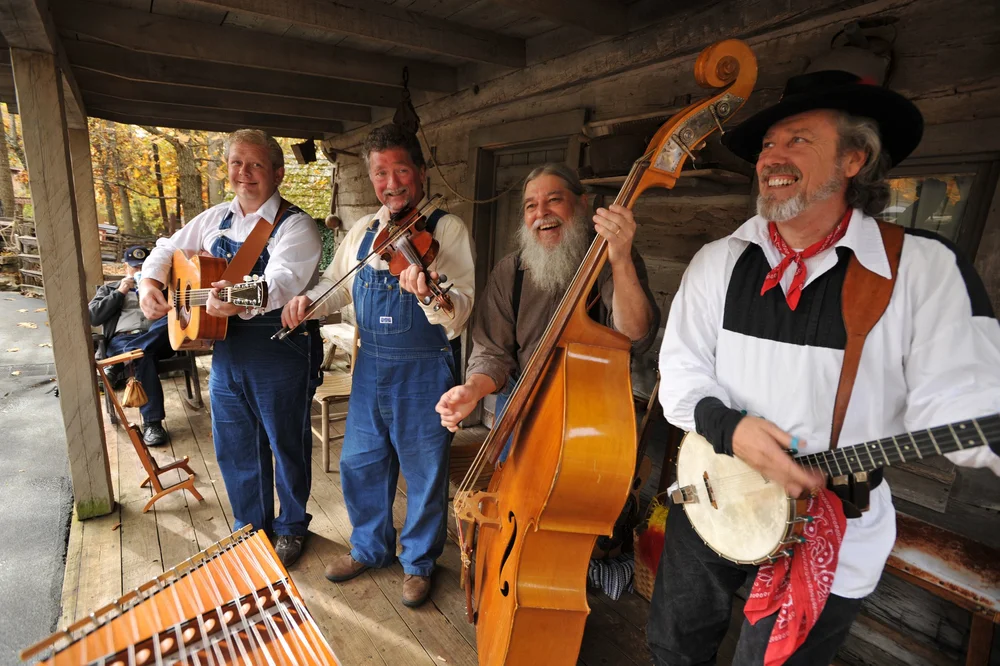
“The Hometown Pickers” entertaining guests at Silver Dollar City (photo courtesy of Silver Dollar City)
The park also operates as a social and ritual space, reflecting Halbwachs’ idea of memory as socially framed and Durkheim’s concept of collective consciousness. Annual visits, family traditions, and repeated exposure to curated imagery and performances reinforce this idealized memory, creating embodied practices aligned with Bourdieu’s notion of habitus. Nora’s concept of lieux de mémoire is evident in the park’s physical and symbolic spaces, while Kirshenblatt-Gimblett’s perspective on heritage tourism highlights how Silver Dollar City actively produces history for public consumption. Through ritual, performance, and material culture, the park constructs a mythic Ozark identity, allowing visitors to internalize and perpetuate a curated collective memory that blends education, nostalgia, and entertainment.
Silver Dollar City has evolved from a simple tourist attraction at Marvel Cave into a central force in shaping and performing Ozark culture. Through immersive experiences—rides, artisan demonstrations, architecture, and live performances—the park transforms history into a participatory and tangible form of cultural memory. Figures like the Baldknobbers, once feared vigilantes, have been reimagined as playful icons of regional folklore, while attractions such as Fire in the Hole blend entertainment with historical storytelling.
Drawing on cultural theory, the park exemplifies Pierre Nora’s lieux de mémoire and Halbwachs’ notion of socially framed memory, creating a space where the past is continually reconstructed and experienced. Visitors do more than observe; they enact and internalize a curated version of Ozark life, turning local history into shared mythology. In this way, Silver Dollar City both preserves and reinvents Ozark identity, embedding it in collective memory while making regional culture accessible and meaningful to audiences far beyond the Ozarks
This work is dedicated to Elfrink and Thomas families, Especially to Dan and Betty Elfrink and Tommy and Nikki Thomas, Also thank you to Dr. Kyle Miller (Missouri State University), and to the Silver Dollar City staff, most notably Joey Thorston and Dalton Fischer for providing images.